PSA Mumbai project attracts record investment from Singapore
PSA Mumbai has entered the final stage of the second phase of its container terminal expansion project. This new project will establish the terminal as an industry leader and make it the largest in India. Upon completion, the terminal’s annual throughput capacity will increase to 4.8 million TEU, doubling the current level. This major upgrade will solidify Mumbai’s position as the premier logistics hub in South Asia.
Established in the Indian market in 1998, PSA International is gradually expanding its influence. Currently, the company operates terminals in Navi Mumbai and Chennai. PSA International is also developing container stations and cooperating with its subsidiary, PSA BDP. The latter specializes in logistics and supply chain management.
Large-scale investments and strategic partnerships
The expansion of PSA Mumbai involves a public-private partnership between PSA International and the Jawaharlal Nehru Port Authority. Investments in the project have reached US$1.3 billion. This is the largest investment Singapore has made in the Indian economy in the history of the two countries’ cooperation.
Phase 2 includes the construction of a 2,000-meter continuous berthing line. The project will enable the terminal to accommodate multiple mega container ships simultaneously. This will ensure high throughput and reduce cargo handling time.
PSA International CEO Ong Kim Pong noted that this new development phase will strengthen supply chain resilience. He emphasized that the project expands the capabilities of PSA’s global network. According to Ong, this project exemplifies how cooperation between the state and business can transform international trade. This approach improves logistics efficiency and contributes to the development of regional communities.
World-class infrastructure
The terminal covers an area of 200 hectares. It combines modern port infrastructure with advanced cargo flow management technologies.
Key features of the second phase:
- expanded container storage areas to accommodate growth in operations;
- modern terminal management systems to optimize cargo planning and handling;
- multimodal infrastructure, including active rail connections and integration with inland depots.
Thanks to these solutions, PSA Mumbai is becoming a key link in the national transport system. The terminal plays an important role in implementing India’s PM Gati Shakti program. This initiative aims to create a unified transport and logistics network across the country.
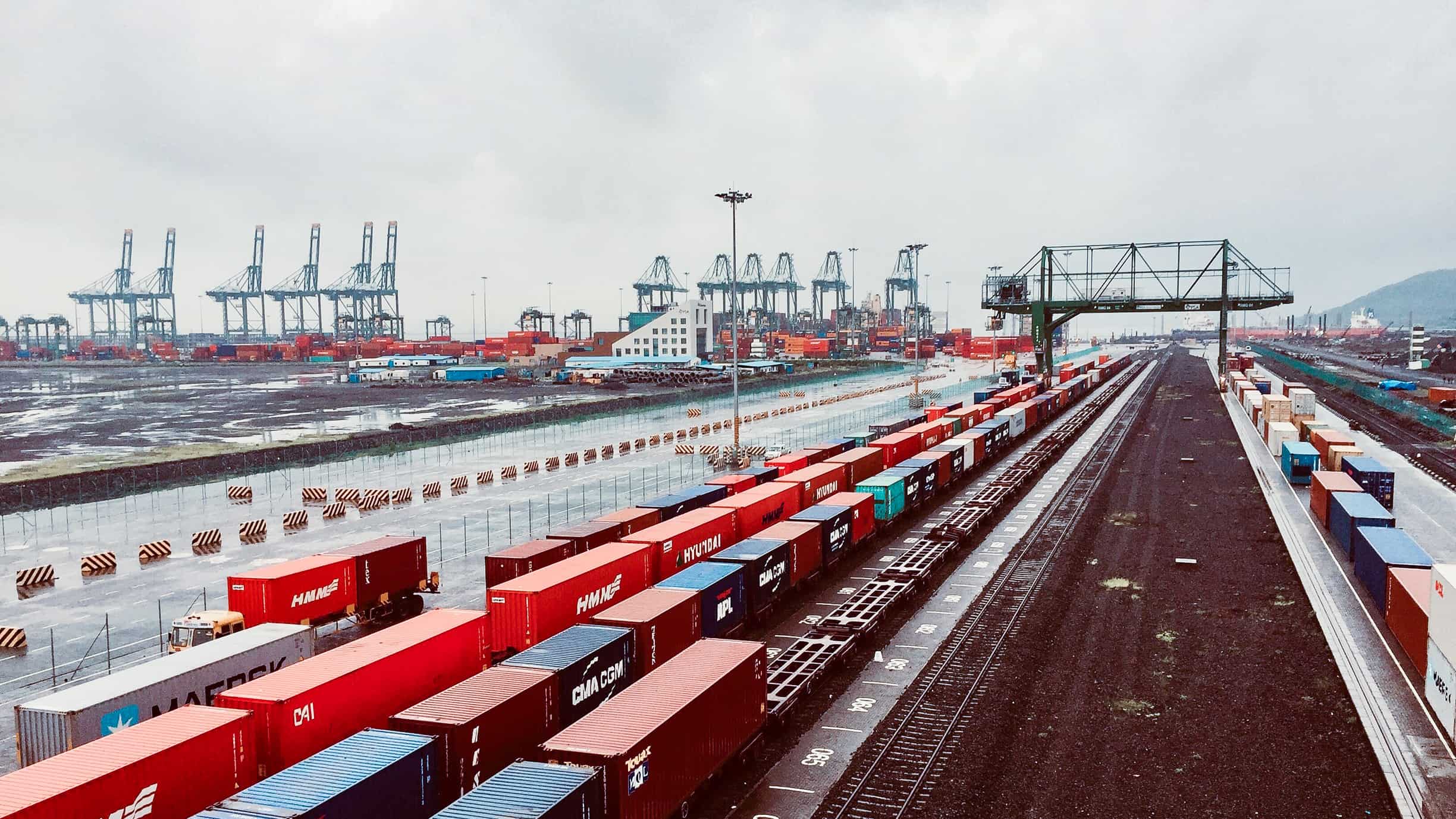
PSA Mumbai is actively developing its rail component. The terminal has six tracks that are compatible with the Dedicated Freight Corridor, which is a national rail corridor designed for expedited cargo delivery. These tracks connect the terminal to over 63 inland container depots nationwide.
Once construction of the Western Dedicated Freight Corridor (DFC) is complete, the Jawaharlal Nehru Port will have direct access to major industrial regions. This will significantly reduce transportation times, lower logistics costs, and boost the competitiveness of Indian manufacturers in the global market.
Environmental sustainability remains one of the project’s priorities. The company is actively implementing solutions aimed at reducing its carbon footprint and improving energy efficiency.